How Often Should Strata Properties Schedule Exterior Cleaning?
If you sit on an executive committee or manage a strata scheme in Western Sydney, you already know that exterior maintenance is one of those jobs that is easy to postpone and expensive to ignore. Grime, mould, algae, bird droppings and pollution slowly build up on facades, driveways, balconies and common areas. The result is a tired-looking building, slippery surfaces and, in some cases, accelerated deterioration of paint and masonry. So how often should a strata scheme schedule exterior cleaning? The short answer is that most schemes need a full exterior clean every 12 to 24 months, with certain high-traffic or high-risk areas needing attention far more often.
Why Western Sydney Conditions Matter
Cleaning schedules are not one-size-fits-all. Western Sydney has a distinct climate and environment that affects how quickly surfaces get dirty.
- Hot, dry summers: Dust, pollen and airborne particles settle on facades, windows and walkways and bake onto surfaces.
- Humid periods and storms: Moisture encourages mould, mildew and algae, particularly on shaded, south-facing walls and areas near gardens.
- Major road and rail corridors: Schemes near the M4, M7, Great Western Highway or railway lines collect traffic fumes and fine particulate matter, which leave dark streaking on walls and paving.
- Tree cover and bushland edges: Properties in areas such as the Hills District, Blue Mountains fringe and parts of Penrith and Blacktown deal with leaf litter, sap, pollen and bird droppings.
- Construction and development: With ongoing growth across the region, nearby building work produces additional dust and debris.
General Cleaning Frequency Guidelines for Strata
Different parts of a strata property wear differently. Treating the whole site on a single timetable often means some areas are cleaned too late while others are cleaned unnecessarily. A more practical approach is to set frequencies by area.
Building Facades and External Walls
Painted, rendered or brick facades should generally be cleaned every 18 to 24 months. Buildings beside busy roads, under heavy tree cover or with a lot of shade may need cleaning every 12 months. Regular washing removes the mould and pollutants that break down paint and can shorten the time between expensive repaints. Soft washing is the preferred method for most rendered and painted surfaces, because high pressure can damage the finish and force water behind cladding.
Driveways, Car Parks and Walkways
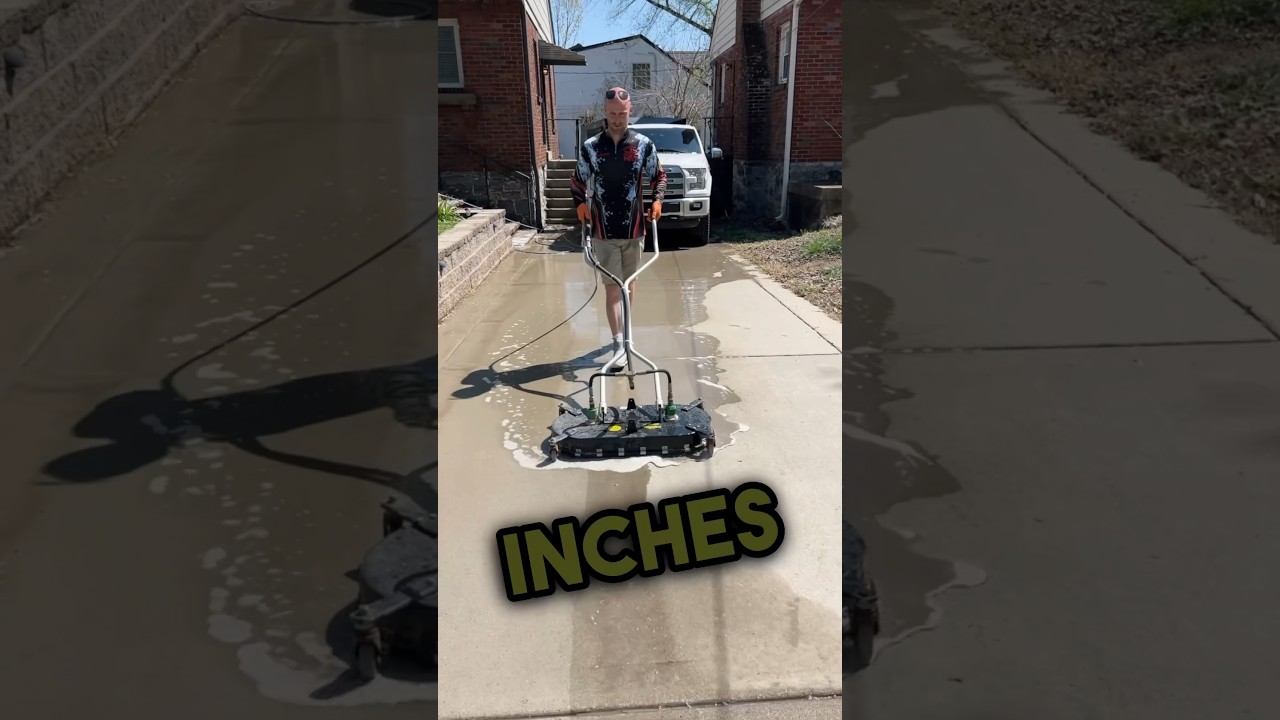
Concrete and paved surfaces take the heaviest daily use. Oil stains, tyre marks, algae and general grime build up quickly. A pressure clean every 6 to 12 months is typical, and shaded or sloping walkways that stay damp may need it more often. Slip resistance is a genuine safety consideration here, and slippery paths are a liability risk for the owners corporation.
Windows and Glazing
External window cleaning for common property is usually scheduled quarterly to twice yearly, depending on height, location and how much dust the building attracts. Low-rise villa and townhouse complexes often do well with two cleans a year, while mid-rise apartment buildings near major roads may benefit from quarterly attention. Access for high windows should be arranged by a provider with appropriate height safety systems.
Roofs, Gutters and Downpipes
Roof cleaning is typically needed every 3 to 5 years, or sooner if moss, lichen or heavy staining appears. Gutters should be checked and cleared at least twice a year, ideally before the wetter months and again after leaf fall, particularly in tree-lined streets. Blocked gutters can cause overflow, water damage to fascias and walls, and damp problems inside units.

Balconies, Pergolas and Communal Outdoor Areas
Shared barbecue areas, courtyards, pool surrounds and communal balconies are best cleaned every 3 to 6 months. These spaces are used often, exposed to food and drink spills, and prone to algae and mould. Pool surrounds in particular need regular treatment to keep them safe and presentable.
Bin Rooms and Waste Areas
Bin enclosures and waste collection areas should be cleaned monthly to quarterly. Regular cleaning controls odours, pests and bacteria, and it keeps the common property hygienic for residents.
Factors That Should Adjust Your Schedule
Use the guidelines above as a starting point, then refine them for your scheme. Consider the following:
- Building age and materials: Older, porous surfaces such as unsealed concrete and raw brick hold dirt and moisture and may need more frequent care, but also gentler methods.
- Orientation and shade: Walls that rarely see direct sunlight stay damp longer and develop mould and algae faster.
- Proximity to traffic, trees or construction: The closer you are, the more often surfaces will need cleaning.
- Resident density and usage: Larger schemes with heavy foot and vehicle traffic wear common areas faster.
- Budget and sinking fund planning: Cleaning costs should be forecast within the administrative fund or capital works fund, depending on the nature of the work.
- Upcoming painting or repairs: Cleaning is usually the first step before repainting, sealing or waterproofing, so timing the two together can save money.
Strata Obligations and Planning in NSW
Under the Strata Schemes Management Act 2015 (NSW), the owners corporation is responsible for maintaining and keeping common property in a state of good and serviceable repair. While the Act does not set a specific cleaning frequency, a poorly maintained exterior can contribute to deterioration, safety hazards and disputes among owners. Regular cleaning supports your duty of care and protects the value of every lot in the scheme.
Many schemes now build exterior cleaning into their 10-year capital works fund plan and a rolling annual maintenance calendar. Documenting a schedule helps committees budget accurately, obtain competitive quotes and present a clear plan at the annual general meeting. Schemes planning ahead for 2027 and beyond should review their maintenance calendar each year so that costs and timing stay realistic.
Benefits of Sticking to a Regular Schedule
- Lower long-term costs: Removing mould and grime early protects paint, render and sealants, so repainting and repairs are needed less often.
- Improved safety: Clean walkways, stairs and pool surrounds are less slippery, reducing the risk of falls and related claims.
- Better presentation and property value: A well-kept exterior makes a strong impression on buyers, tenants and valuers.
- Healthier living environment: Removing mould and algae helps limit spores and allergens around entrances and shared spaces.
- Easier budgeting: Predictable cleaning cycles avoid costly emergency work and special levies.
Warning Signs Your Property Is Overdue
Do not wait for the calendar if the building is telling you it needs attention sooner. Look out for:
- Green, black or orange patches on walls, roofs, paving or fences
- Dark streaks beneath windows, balconies and rooflines
- Slippery or discoloured pathways and stairs
- Visible dirt or film on glazing that cannot be removed by residents
- Overflowing gutters or stained fascias
- Persistent odours around bin areas
- Residents or visitors raising complaints about appearance or safety
Choosing the Right Cleaning Method
How a building is cleaned matters as much as how often. High-pressure washing suits durable surfaces such as concrete driveways, but it can damage render, paint, timber and older mortar. Low-pressure soft washing with appropriate cleaning solutions is more suitable for facades and roofs because it kills mould and algae at the source rather than just blasting away surface dirt. Always ensure your contractor uses environmentally responsible products and manages wastewater so that runoff does not enter stormwater drains, which is an important consideration under local council and environmental requirements.
Tips for Committees Arranging Exterior Cleaning
- Get multiple quotes: Under NSW strata law, committees are generally required to obtain quotes for larger expenditure, so check the thresholds that apply to your scheme.
- Verify insurance: Confirm the contractor holds current public liability insurance and, where relevant, workers compensation cover.
- Check safety credentials: Work at height requires proper licences, equipment and safe work method statements.
- Notify residents: Give notice of cleaning dates so cars can be moved, windows closed and balcony items secured.
- Choose sensible timing: Schedule major cleans outside of storm-heavy periods and, where possible, before painting or sealing works.
- Keep records: Retain invoices, scope of work and photos to support future planning and budgeting.
Building a Practical Annual Cleaning Calendar
A simple rolling calendar keeps maintenance manageable. For example, many Western Sydney schemes complete gutter clearing in autumn and late spring, pressure clean driveways and paths once a year, wash windows once or twice a year, and carry out a full facade soft wash every second year. Bin rooms and communal areas can run on a monthly or quarterly contract. Adjust the pattern based on your property’s condition, and review it annually with your strata manager.
Final Thoughts
There is no single answer that fits every strata scheme, but a sensible benchmark is a full exterior clean every one to two years, supported by more frequent attention to windows, gutters, pool areas, walkways and bin rooms. Western Sydney’s mix of heat, humidity, traffic pollution and tree cover means that regular upkeep is a worthwhile investment rather than a cosmetic extra. By setting a clear schedule, budgeting ahead and choosing the right cleaning methods, your owners corporation can protect the building, keep residents safe and maintain the value of every lot for years to come.
If you are https://privatebin.net/?195c12f53ab20634#4vyMdTRGLYzVe1S5joeLpRz11f44fhAdmUmzVkyNyKuK unsure what your scheme needs, ask a qualified local exterior cleaning professional to inspect the property and recommend a tailored maintenance plan based on its materials, location and current condition.
Western Sydney Pressure Cleaning
Unit 2/1 Cowpasture Pl, Wetherill Park NSW 2164
(02) 9000 1596